1. Resident Registration at the City Office
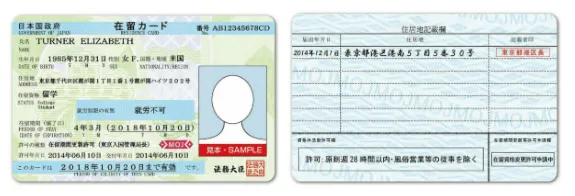
After moving into your new residence in Japan, you must complete resident registration (moving-in notification) at your local city or ward office within 14 days. Please bring your passport and residence card (if you received it at the airport). If you did not receive your residence card upon entry, it will be mailed to your home after registration.
After registration, you will also receive your “My Number” (Individual Number), which is used for social security and tax procedures. Please keep the notification card in a safe place.
2. Enrollment in National Health Insurance
All international students staying in Japan for more than three months are required to join the National Health Insurance (NHI) program. You can apply at the same city office where you completed your resident registration.
With NHI, your personal medical expense is generally reduced to 30%, allowing you to receive medical services with peace of mind. Please bring your residence card and student certificate when applying.
3. Visit the School and Complete Procedures
After finishing resident registration and insurance enrollment, please visit your school to submit documents and receive information about the entrance ceremony and placement test.
You will need your residence card, passport, and certificate of admission. Once registration in the school system is complete, you will be ready to start classes. Placement tests and the entrance ceremony are usually held from about one week to a few days before classes begin. Please remember to bring a pencil and eraser for the test.
4. Obtain a Japanese Phone Number
A Japanese phone number is essential for daily life, including opening a bank account, signing apartment contracts, and communication. There are two main ways to obtain one:
- Online: You can order a SIM card or eSIM before or after arrival. Providers such as Mobal and Sakura Mobile offer English support and airport pickup.
- In-store: Visit mobile shops such as Docomo, SoftBank, au, or Y-Mobile with your residence card, passport, and payment method. Procedures in stores may take several hours and English support may be limited.
Choose a “voice + data” plan (not data-only) to obtain a real Japanese phone number. It is also essential for part-time job applications.
5. Opening a Bank Account
Most banks require your residence card, passport, proof of address (back of residence card), student ID, and sometimes a Japanese phone number. During the first six months, you may only be able to open an account with Japan Post Bank, and the procedure may take some time.
A Japanese bank account is important for managing funds, receiving money from family, and getting paid for part-time work.
6. Additional Advice
- Housing: Arrange your dormitory or apartment before arriving in Japan. Finding housing at the last minute can be difficult.
- Personal Seal (Inkan): Some procedures require a seal, although signatures are often accepted. Having one is recommended for convenience.
- Part-time Work: If you plan to work, apply for the “Permission to Engage in Activity Other Than That Permitted.” Ideally, apply at the airport upon entry.
Welcome to Japan, and we wish you a wonderful new adventure!